The Cast Iron Promise — When Wedding Gifts Were Built to Outlast the Marriage
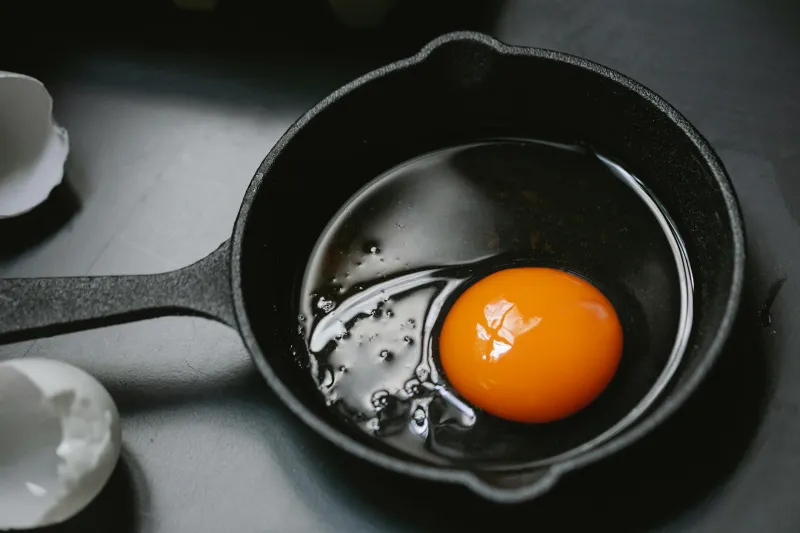
The Skillet That Witnessed Fifty Anniversaries
In 1953, when Martha Henderson married Robert at the First Methodist Church in Cedar Rapids, Iowa, her Aunt Eleanor gave them a Lodge cast iron skillet. Not because Martha had registered for it at some department store, but because Eleanor knew that every new household needed one good pan that would never wear out, never break, and never need replacing.
 Photo: First Methodist Church, via trampoline.turbowarp.org
 Photo: Cedar Rapids, Iowa, via framerusercontent.com
That skillet fried Sunday morning eggs for five decades, seared countless pork chops, and taught three generations of children how to make cornbread. When Martha's granddaughter inherited it in 2003, the pan was more seasoned and valuable than the day it left the factory. It had become a family heirloom not through careful preservation, but through daily use.
This was the philosophy behind mid-century wedding gifts: give something practical, permanent, and personal. Wedding guests didn't shop from registries or click "add to cart" on Amazon wish lists. They chose gifts based on their knowledge of the couple, their own experience with marriage, and their understanding of what young households actually needed to survive and thrive.
When Gifts Came with Stories
Eleanor's cast iron skillet came with instructions passed down through generations: how to season it properly, what never to cook in it, how to clean it without soap. The gift included not just the object, but the accumulated wisdom of how to use it well. Wedding presents were educational inheritances disguised as kitchen equipment.
Other common gifts followed the same pattern. Hand-quilted bedspreads took months to complete and were expected to grace the marriage bed for decades. A good set of hand tools — hammer, screwdrivers, wrenches — came from someone who understood that homeownership meant constant repair and maintenance. China patterns were chosen to complement the couple's existing dishes, creating a coordinated set that would serve holiday dinners for the next forty years.
The gift-giving process was intensely personal. Wedding guests knew whether the couple would be farming, living in the city, or starting out in a small apartment. They knew the bride's cooking skills, the groom's mechanical aptitude, and what the young family would need most in their first years together. Gifts reflected this intimate knowledge rather than generic good wishes.
The Registry Revolution
Sometime in the 1960s, American retailers discovered they could solve the "what should I buy?" problem by letting couples choose their own gifts. Department stores introduced bridal registries that allowed engaged couples to walk through the store with clipboards, selecting exactly what they wanted from china patterns to small appliances.
The registry system promised to eliminate duplicate gifts and ensure couples received items they actually wanted. No more three toasters or six crystal vases. Instead, wedding guests could shop from a pre-approved list, confident their gift would be both wanted and needed.
But registries also transformed the entire culture of wedding gift-giving. The personal knowledge that once guided gift selection became irrelevant. Guests no longer needed to understand the couple's lifestyle, cooking habits, or household needs. They just needed to find the registry, pick something in their price range, and check it off the list.
The Disposable Wedding
Modern wedding registries reflect a fundamental shift in how Americans think about marriage and material goods. Couples register for items with planned obsolescence built in: coffee makers designed to last three years, non-stick pans that need replacing every eighteen months, electronic gadgets that become obsolete before the thank-you notes are written.
The average contemporary wedding registry includes items that would have baffled earlier generations: specialized kitchen gadgets for making paninis or frozen margaritas, decorative objects with no practical function, and electronics that require software updates to remain functional. These aren't investments in a lifetime together — they're accessories for the early years of marriage.
Even more telling is the rise of "experience gifts" and cash registries. Modern couples increasingly ask for honeymoon contributions, cooking classes, or gift cards rather than physical objects. The philosophy has shifted from "help us build a household" to "help us enjoy ourselves." The gifts reflect shorter time horizons and different expectations about what marriage requires.
The Mathematics of Permanence
The durability gap between vintage and modern wedding gifts mirrors changes in marriage itself. Eleanor's cast iron skillet was built to last fifty years because marriages were expected to last fifty years. When divorce was rare and remarriage uncommon, it made sense to invest in household goods designed for permanence.
Modern couples face different mathematics. When marriages have a roughly 50% failure rate and people change careers, cities, and lifestyles multiple times, investing in permanent household goods seems less practical. Why buy china that serves twelve when you might be divorced and living in a studio apartment in five years?
The shift also reflects broader economic changes. In 1953, a good cast iron skillet represented a significant investment that most young couples couldn't afford themselves. Today, the same skillet costs less than dinner for two at a mid-range restaurant. When household goods are cheap and replaceable, the gift-giving emphasis shifts from utility to sentiment.
What We Gained and Lost
Modern wedding gift-giving has solved real problems. Registries eliminate awkward duplicate gifts and ensure couples receive items they actually want. Online registries make shopping convenient for out-of-town guests. Return policies allow couples to exchange gifts for store credit or different items.
But we've also lost something valuable: the personal knowledge and accumulated wisdom that once guided wedding gift selection. Eleanor didn't just give Martha and Robert a skillet — she gave them a tool that would improve with use, along with the knowledge of how to care for it properly. The gift represented a transfer of domestic wisdom from an experienced generation to a new one.
Modern couples receive more gifts than their grandparents, but fewer of those gifts come with stories, instructions, or the expectation of lifelong use. We've gained efficiency and choice, but we've lost the sense that wedding gifts should be investments in permanence — tools and treasures designed to witness and support a lifetime together.
The cast iron skillet still works perfectly, seventy years after Eleanor chose it. The marriage it was meant to celebrate lasted forty-seven years, ending only with Robert's death in 2000. Both the gift and the union were built to last, in an era when that seemed not just possible, but expected.