They Waited Weeks for a Reply and Wrote Back Anyway — What Letters Did That Texts Never Will
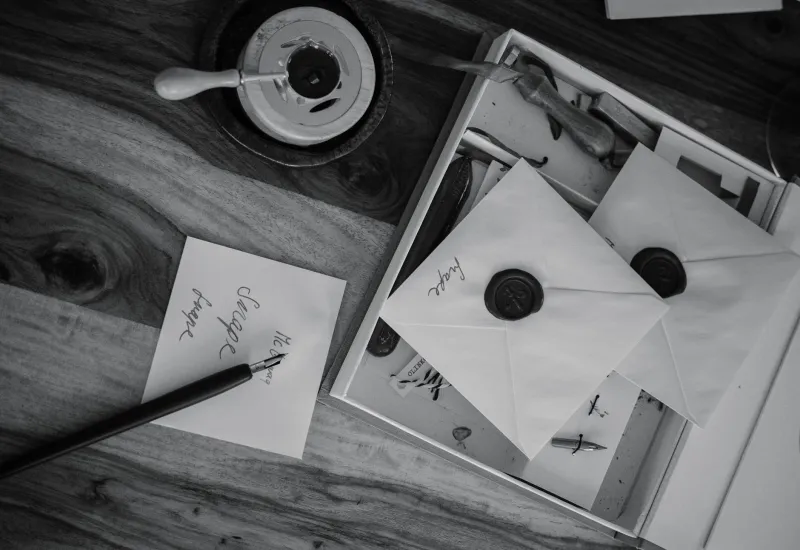
Somewhere in an attic box, tucked inside a rubber band that gave up years ago, there are letters. Your grandmother's, maybe, or your great-aunt's. Written in cursive on thin paper, dated with the month and year, addressed to someone who is probably also gone now. If you've ever found letters like these and actually read them, you already know what this article is about.
The words in those letters are different. Not just in style or vocabulary — different in weight. Someone sat down, thought carefully about what they wanted to say, wrote it out by hand, sealed it in an envelope, addressed it, stamped it, and mailed it, knowing it would be two or three weeks before anyone read it and longer still before they heard back. Every sentence had to carry its own freight. There was no room for "lol" or a quick follow-up text to clarify what you meant. The letter was the whole thing.
We don't write letters anymore. We send messages that arrive before we've finished typing them. The question worth sitting with isn't whether that's convenient — obviously it is — but whether something specific was lost when the wait disappeared.
The Logistics of Staying Close From Far Away
For most of American history, correspondence was the primary technology of long-distance relationships. Soldiers wrote home from wars. Immigrants wrote back to families in countries they might never see again. Young people who left small towns for cities maintained their connections through the mail. Couples separated by work or circumstance kept relationships alive through envelopes that crossed states and sometimes oceans.
This was not a backup system. For most of these people, the letter was the relationship. The phone existed, but for much of the twentieth century, long-distance calls were expensive enough to be reserved for emergencies or special occasions. A transatlantic call in 1950 cost roughly three dollars per minute — somewhere around thirty-five dollars in today's money. You called to announce a birth or a death. For everything else, you wrote.
The rhythm of correspondence was built into the calendar. You knew roughly when to expect a reply. You knew that the letter you received today had been written two weeks ago, which meant you were reading a slightly older version of the person's life — and they would be reading yours on the same delay. There was a kind of temporal intimacy in that, a shared understanding that both parties were moving through time and reporting back.
What Writing a Letter Actually Required
Anyone who has tried to write a proper letter as an adult — not a quick note, but a real letter to someone you care about — knows how much harder it is than sending a text. The blank page demands something. You have to decide what matters enough to say. You have to construct thoughts that will make sense to someone who can't see your face or ask a follow-up question for two weeks.
This constraint produced a particular kind of discipline. Letter writers tended to reflect before they wrote. They thought about what had happened since the last letter, what was worth sharing, what the other person would want to know. They considered the reader. The form itself enforced a kind of thoughtfulness that instant communication doesn't require and rarely produces.
There's a reason historians rely so heavily on personal correspondence. Letters from the past are often startlingly vivid precisely because the writer knew they had one shot to convey something real. Civil War soldiers writing home from the field produced some of the most emotionally direct prose in American literature — not because they were exceptional writers, but because the stakes of the communication were clear. This letter might be the last one. Make it count.
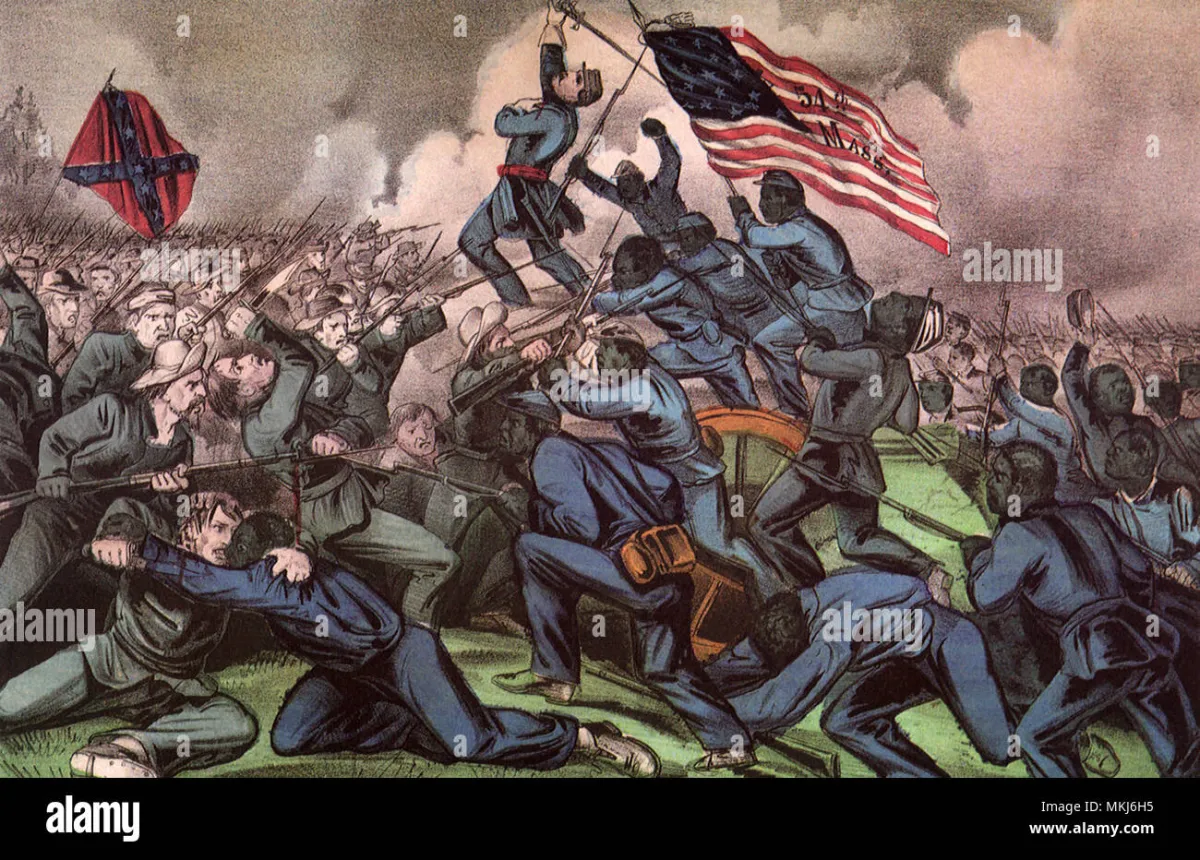 Photo: Civil War, via c8.alamy.com
The Texture of Waiting
The wait itself deserves more credit than it gets. When you sent a letter, you entered a period of genuine uncertainty. You didn't know when it would arrive. You didn't know if it would be read the day it arrived or set aside for the weekend. You didn't know how the other person would react until a reply came back, and that might take a month.
In that interval, something happened. You sat with what you'd said. You thought about the other person's life continuing on the other side of the country without you watching it in real time. You anticipated. When the reply finally arrived — a physical object, addressed to you in handwriting you recognized — the act of opening it had genuine ceremony to it.
Compare that to the experience of sending a text and watching the three dots appear to indicate the other person is typing. The reply arrives in seconds. It's read in seconds. It triggers a response that arrives in seconds. The exchange is efficient and frictionless and, in a meaningful sense, shallow. Not because the people don't care about each other, but because the medium has removed every mechanism that used to signal that you care.
Not Nostalgia. Something More Specific.
This isn't an argument for bringing back the Pony Express. Instant communication has done real good in the world — it has connected people across distances that would have severed relationships entirely in earlier eras, enabled remote work, and made it possible to maintain friendships across time zones without extraordinary effort.
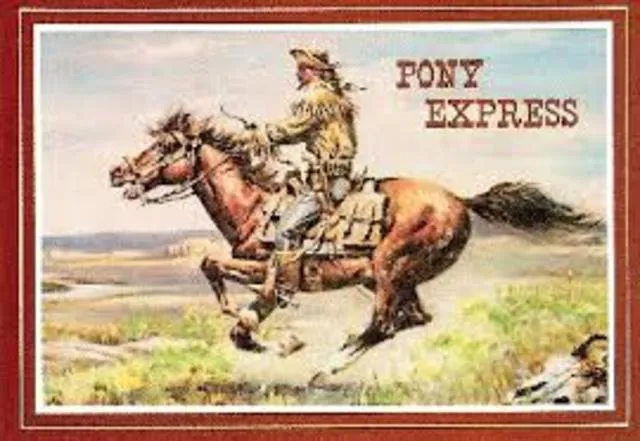 Photo: Pony Express, via s3.amazonaws.com
But there's a difference between acknowledging those gains and pretending nothing was traded away. The letter was a technology that built patience into communication. It rewarded people who could articulate themselves carefully. It created archives — those attic boxes — that allowed relationships to be revisited and understood years after the fact. It made absence feel like presence in a way that a text thread, however long, simply doesn't.
The people who wrote those letters weren't more sentimental than we are. They weren't more literary. They were working within a system that required them to mean what they said and say it well, because the words had to travel a long way and wait a long time before they reached anyone.
That's not inconvenience. That's a different relationship with communication entirely — one where the effort was the message, and the wait was part of the meaning.