Nobody Called 911 Because 911 Didn't Exist — The Terrifying Truth About Medical Emergencies Before the ER
Nobody Called 911 Because 911 Didn't Exist — The Terrifying Truth About Medical Emergencies Before the ER
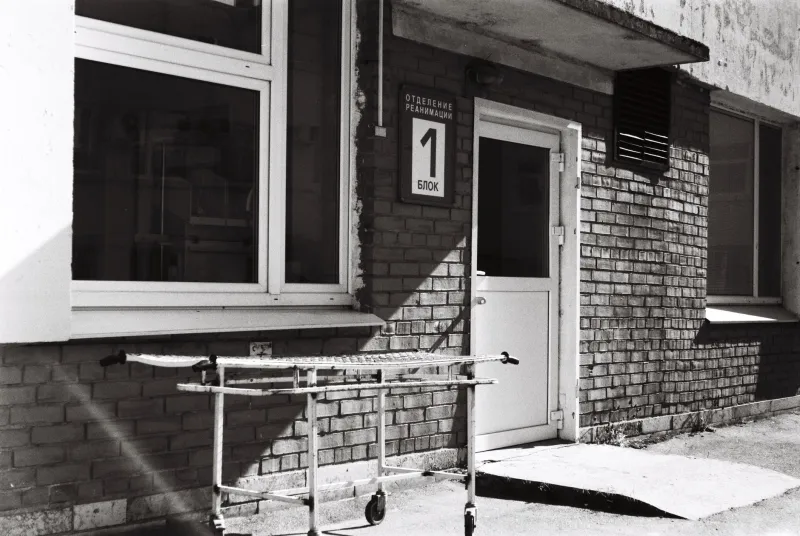
Picture this: it's 1955. Your father is working in the garage when a jack slips and pins him beneath the car. Your mother runs inside and calls the operator. There's no 911. There's no paramedic dispatch. She might reach a local doctor — if he's home. She might call a funeral home, because in much of America, the only vehicles equipped to transport a sick person were the ones that also transported the dead.
This wasn't an edge case. This was the system.
The emergency room as Americans know it today — staffed around the clock, equipped for trauma, coordinated with ambulance crews trained in advanced life support — is a genuinely recent invention. Most hospitals didn't have dedicated emergency departments until the late 1960s. The federal Emergency Medical Services Systems Act, which funded the national network of coordinated emergency care, wasn't signed until 1973. The universal 911 number wasn't widely operational across the country until well into the 1980s.
For most of American history, a medical emergency was largely a matter of luck.
What Passed for Emergency Care
Before dedicated emergency medicine existed, hospitals had what were sometimes called "accident rooms" — typically a spare room near the entrance where walk-ins could be seen. These spaces were not designed for high-volume trauma. They were not staffed by specialists. In many cases, they were staffed by whoever happened to be available: a nurse, a general practitioner who'd been pulled from another floor, occasionally a medical student.
If you arrived unconscious from a car accident, the quality of care you received depended almost entirely on who was in the building that night. There was no protocol. There was no trauma team waiting. There was improvisation, and sometimes it worked, and sometimes it didn't.
Ambulance service was similarly fragmented. In rural areas, the local funeral home often operated the only vehicle that could transport a patient lying flat. Funeral directors received minimal medical training — sometimes none at all. The logic was grimly practical: they already had the right kind of vehicle, so why not use it for both purposes? In cities, ambulances might be operated by the police department, the fire department, a private company, or a hospital — often with no coordination between them and no radio communication with receiving facilities.
A 1966 report from the National Academy of Sciences called the state of emergency medical care in America "a national disgrace." It noted that more Americans had died on the highways in the preceding decade than in the entire Second World War — and that a meaningful percentage of those deaths were preventable with better emergency response.
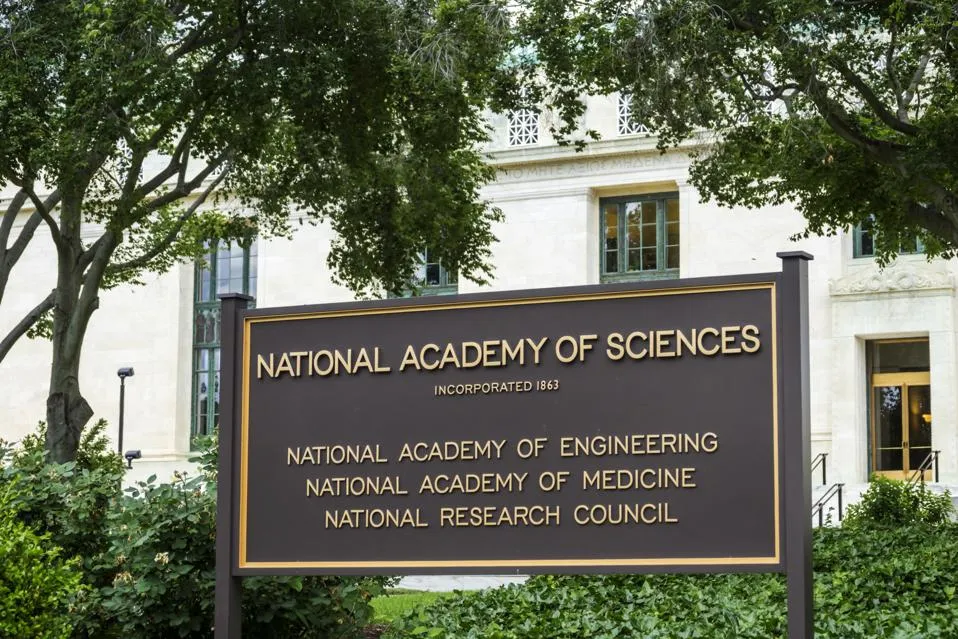 Photo: National Academy of Sciences, via specials-images.forbesimg.com
The Accident That Changed Everything
The modern American emergency system has several origin stories, but one of the most cited is the experience of Dr. J. D. "Deke" Farrington, a Chicago surgeon who became obsessed with the gap between what medicine could do and what it was actually doing in the critical minutes after an accident.
 Photo: Dr. J. D. "Deke" Farrington, via centralosteopathy.com.au
Farrington and others pushed for trained emergency medical technicians — people who could intervene before the hospital, in the field, in the back of a vehicle. The military had demonstrated during Korea and Vietnam that rapid, skilled intervention at the point of injury saved lives that would otherwise be lost. The question was why civilian medicine wasn't applying the same logic.
Slowly, through the late 1960s and into the 1970s, it did. Emergency medicine became a recognized specialty. Hospitals built dedicated emergency departments with their own staff, their own equipment, their own triage protocols. Ambulance crews began receiving real medical training. Communication systems were modernized. The 911 number, first tested in Haleyville, Alabama in 1968, began spreading nationally.
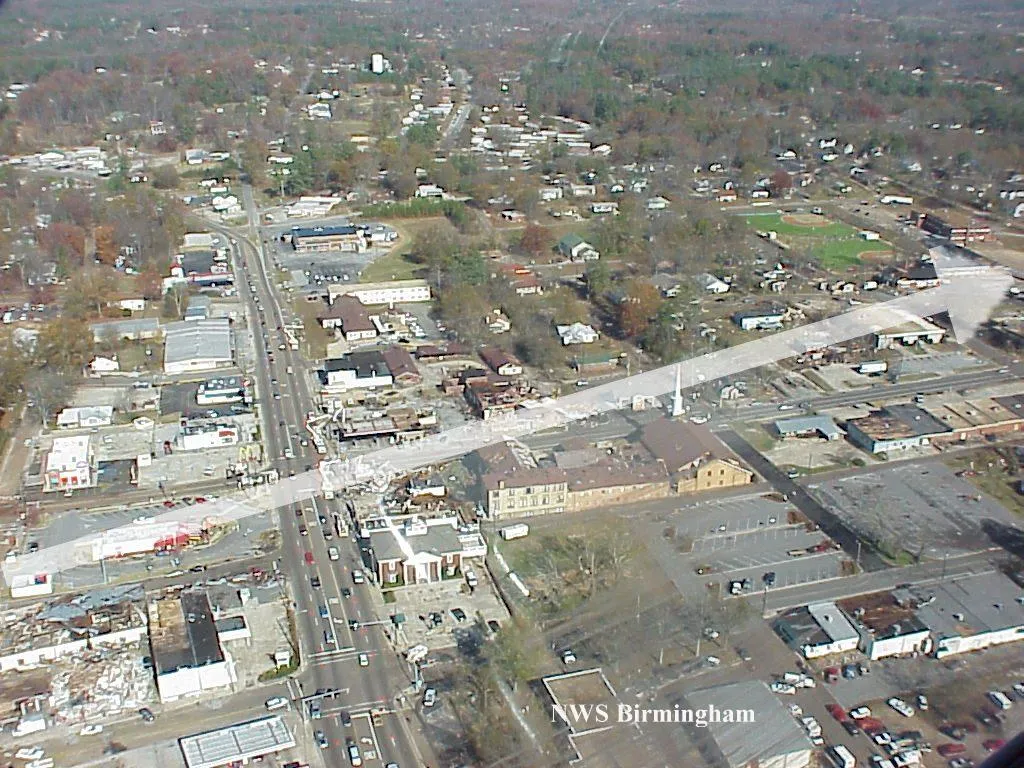 Photo: Haleyville, Alabama, via www.weather.gov
What We Built and What It Cost
Today, the average American lives within ten miles of a hospital emergency department. Trauma centers are classified by capability — Level I through Level V — so that the most serious cases can be routed to the most equipped facilities. Paramedics can administer medications, perform certain procedures, and transmit real-time patient data to receiving physicians before the ambulance even arrives. Stroke and heart attack protocols have been refined to the point where the phrase "time is tissue" is taught in every EMT course in the country.
None of this existed fifty years ago. Most of it didn't exist forty years ago.
The death rate from traumatic injury has fallen dramatically over the past half century, and emergency medicine deserves a significant share of the credit. Car accidents that would have been fatal in 1965 are survivable today not just because cars are safer, but because the system waiting at the other end of that accident is incomparably better.
The Luck We No Longer Need
There's a tendency to look back at earlier generations and assume they were simply tougher — that they endured hardships we couldn't handle. But a lot of what looked like toughness was really just the absence of alternatives. People didn't stoically accept dying from a treatable injury. They died because the infrastructure to treat them hadn't been built yet.
The emergency room isn't glamorous. It's overcrowded, often underfunded, and a source of endless frustration for patients and providers alike. But it represents something genuinely extraordinary: a society-wide commitment to showing up for strangers at their worst moments, around the clock, regardless of the hour or the circumstances.
Your grandfather didn't have that guarantee. You do. It's worth knowing how recently that changed.