Where Every Kid Learned to Swim — Before Lawyers Killed the Public Pool
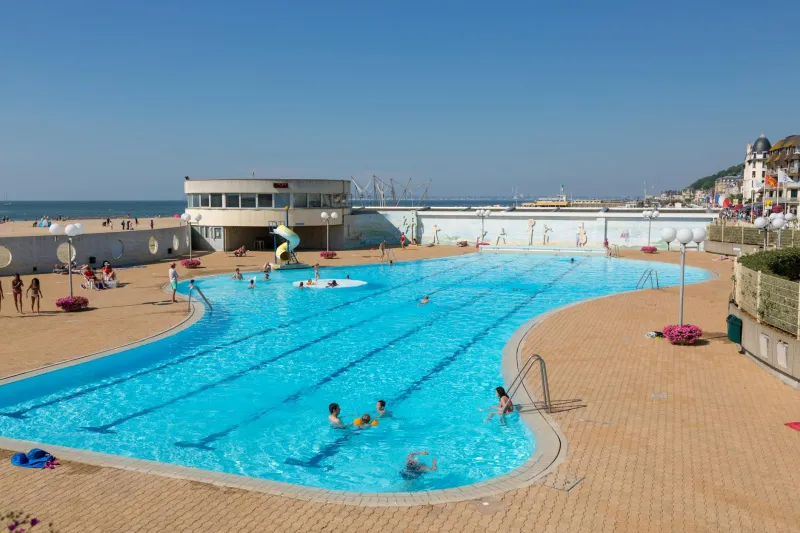
The Riverside Municipal Pool opened every Memorial Day with a ceremony that felt like a holiday. Kids lined up at dawn, quarters clutched in sweaty palms, waiting for the lifeguard to blow the whistle that officially launched summer. By noon, the pool churned with bodies — rich kids and poor kids, black kids and white kids, all united by chlorine and the democracy of the diving board.
 Photo: Memorial Day, via traditionfl.com
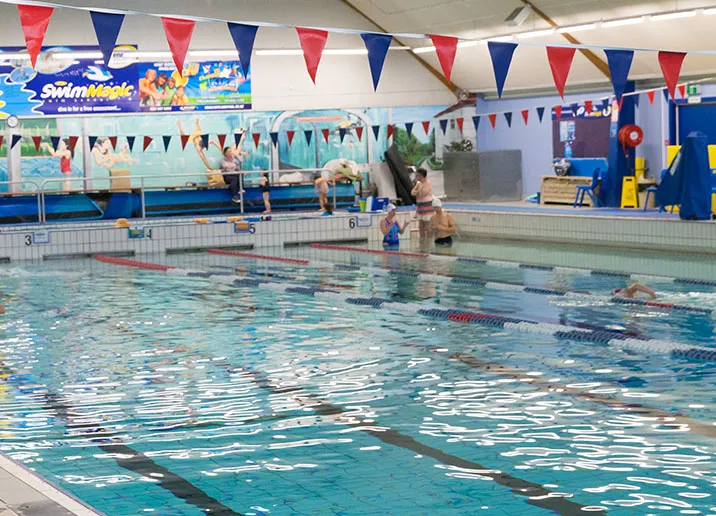 Photo: Riverside Municipal Pool, via www.clmnz.co.nz
Today, that pool sits empty, filled with concrete and liability concerns. The city council voted to close it in 1987 after insurance costs quadrupled and the threat of lawsuits made every cannonball feel like a potential catastrophe.
Riverside wasn't unique. Across America, thousands of public pools that once defined summer childhood have disappeared, victims of budget cuts, safety paranoia, and a culture that increasingly treats shared spaces as luxuries rather than necessities.
The Great American Swimming Hole
Public pools were never just about swimming. They were democracy in action, the one place where a factory worker's kid could share the same water as the banker's daughter. Admission cost a quarter. Swimming lessons were free. The only requirement was following the lifeguard's rules.
Every pool had its own ecosystem. The shallow end belonged to toddlers and nervous beginners. The deep end was conquered by teenagers showing off for each other. The diving board served as a stage for elaborate performances that mixed athleticism with pure showing off.
Lifeguards weren't just safety monitors — they were summer authority figures who commanded respect with nothing more than a whistle and a tall chair. They knew every regular by name, could spot trouble brewing from fifty yards away, and somehow managed to keep hundreds of kids safe while maintaining an atmosphere of controlled chaos.
Pool rules were simple and universal: no running, no diving in the shallow end, no rough play. Everyone learned them, everyone followed them, and somehow thousands of kids managed to have fun without lawyers hovering over every splash.
When Summer Belonged to Everyone
The golden age of public pools stretched from the 1930s through the 1970s. Cities built them as part of broader commitments to public recreation, understanding that not every family could afford private club memberships or backyard pools. Swimming was considered a basic life skill, like reading or riding a bike.
Pool schedules reflected the rhythms of working-class life. Adult swim hours accommodated factory shifts. Senior citizen sessions provided gentle exercise for older residents. Evening hours stayed open late enough for parents to bring kids after work.
Summer jobs at the pool — lifeguard, snack bar attendant, pool maintenance — provided first employment for thousands of teenagers. These weren't just paychecks; they were introductions to responsibility, authority, and the satisfaction of keeping a community institution running.
The pools also served as informal integration centers. Long before schools were fully desegregated, public pools brought together kids who might never interact otherwise. Swimming ability mattered more than skin color or family income. The fast kids gravitated toward each other regardless of which neighborhood they came from.
The Liability Revolution
The decline began quietly in the 1980s as insurance companies discovered that public pools represented what they called "attractive nuisances" — places that drew children into potentially dangerous situations. Drowning lawsuits, slip-and-fall claims, and diving accidents created a new category of municipal liability.
Cities responded predictably. They hired more lifeguards, installed additional safety equipment, and posted warnings about every conceivable hazard. When that didn't reduce insurance costs, they started closing pools during budget crunches, reasoning that empty pools couldn't hurt anyone.
The diving boards disappeared first. Those concrete platforms that had launched a million childhood memories became too risky to insure. Next went the high dives, then the medium boards, until many pools resembled bathtubs with safety rails.
Lifeguard requirements multiplied. What once required basic swimming ability and common sense now demanded extensive certification, ongoing training, and liability insurance. The teenager who could keep order with a whistle was replaced by certified professionals with emergency medical training.
The Economics of Exclusion
As public pools closed, private alternatives rushed to fill the void. Homeowner association pools served new subdivisions. Country clubs expanded their aquatic facilities. Private swim schools offered lessons that once came free at the municipal pool.
But these replacements served fundamentally different populations. HOA pools restricted access to residents only. Country clubs required membership fees that excluded working families. Private lessons cost what public programs once provided for free.
The result was the quiet segregation of summer recreation. Middle-class kids learned to swim in private clubs. Wealthy families built backyard pools. Everyone else made do with fire hydrants and public fountains.
The disparity shows up in drowning statistics. Children from low-income families are now significantly more likely to drown than their affluent peers, partly because they have fewer opportunities to learn swimming in safe, supervised environments.
What We Lost in the Water
The public pool represented something larger than recreation. It was a training ground for democracy, where kids learned to share space, follow rules, and navigate social differences. The mixing of economic classes and racial groups that happened naturally around diving boards required no special programming or sensitivity training.
Those pools also provided what sociologists call "third places" — community gathering spots that weren't home or work. Parents met each other during swimming lessons. Teenagers formed friendships that crossed neighborhood boundaries. Grandparents found places to exercise and socialize.
The informal supervision that happened at public pools can't be replicated by private alternatives. When hundreds of families used the same facility, everyone looked out for everyone else's kids. The community policed itself through shared investment in keeping the pool safe and welcoming.
The Gated Summer
Today's swimming landscape reflects broader patterns of American inequality. Wealthy suburbs boast elaborate aquatic centers with lazy rivers and water slides. Gated communities feature resort-style pools accessible only to residents. Meanwhile, inner-city neighborhoods make do with splash pads and community centers that offer limited pool access.
The kids who once learned democracy through diving board queues now experience recreation as a consumer good. Swimming lessons cost hundreds of dollars. Pool access depends on membership status. The quarter that once bought a day of summer fun wouldn't cover parking at today's private facilities.
Some cities have tried to revive public swimming by building elaborate aquatic centers designed to compete with private alternatives. But these facilities often charge admission fees that exclude the families who most need affordable recreation options.
The Deep End of Democracy
The death of the public pool represents more than just the loss of summer recreation. It symbolizes our retreat from shared public spaces and our growing comfort with inequality as a organizing principle of American life.
When every kid in town learned to swim at the same pool, swimming ability was truly democratic. When pool access depends on zip code and family income, even basic water safety becomes a privilege rather than a right.
The Riverside Municipal Pool that once opened every Memorial Day with ceremony and celebration now sits beneath a parking lot. The kids who once lined up with quarters in their palms are adults now, some with pools in their own backyards, others still looking for a place their children can learn to swim.
Summer still comes every year, but it no longer belongs to everyone.