When Your Doorstep Was a Daily Appointment — Before Amazon Turned Delivery Into Digital Strangers
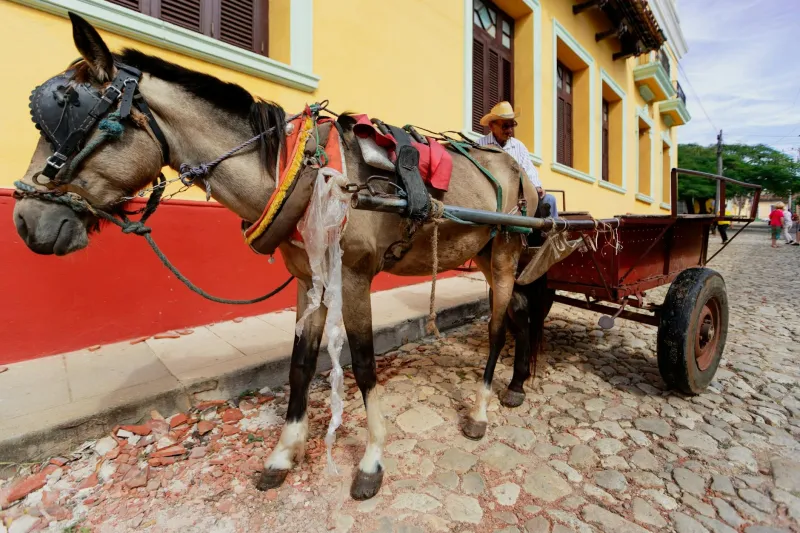
The Morning Symphony of Hoofbeats
Picture this: It's 1952, and before your alarm clock rings, the gentle clatter of glass bottles announces the day. The milkman's horse knows your street better than most GPS systems know theirs today. He stops at number 47 because Mrs. Henderson always needs extra cream on Wednesdays for her bridge club. He skips number 52 — they're visiting relatives in Ohio this week, and somehow, he just knows.
This wasn't magic. This was America's original subscription economy, built not on algorithms but on attention, not on data points but on genuine human connection.
When Every Block Had Its Own Supply Chain
For nearly 100 years, from the 1870s through the 1960s, American neighborhoods operated like clockwork thanks to an intricate web of home delivery routes. The milkman was just the beginning. Ice trucks rumbled through on Tuesdays and Fridays, their drivers hauling 25-pound blocks up three flights of stairs without complaint. Bread trucks followed predictable patterns, bakery-fresh loaves still warm from morning ovens. Coal trucks knew exactly which houses needed winter fuel and when.
Each delivery person wasn't just dropping off products — they were neighborhood intelligence networks. They knew when the Johnsons' new baby arrived (extra milk bottles appeared). They noticed when elderly Mr. Peterson hadn't collected his bottles for two days (time for a wellness check). They understood seasonal rhythms, holiday needs, and family changes without anyone filling out a preferences form.
The Economics of Knowing Your Customers
What made this system work wasn't efficiency — it was intimacy. Route drivers typically served the same 200-300 households for years, sometimes decades. They built mental databases of customer preferences that would make today's recommendation engines jealous. Mrs. Garcia always wanted her milk delivered to the side door. The Kowalskis needed extra bread before their grandson's weekend visits. The Thompsons temporarily suspended ice delivery every August when they visited the lake.
This personalization created extraordinary customer loyalty. Families stayed with the same milkman for generations, not because they were locked into contracts, but because switching meant losing a relationship. When your milkman remembered your mother's birthday and your daughter's wedding, finding a new supplier felt like betrayal.
The Social Infrastructure Nobody Counted
These delivery routes did more than move products — they moved information, comfort, and community connection. During the Great Depression, milkmen often extended credit to struggling families, knowing they'd be paid when times improved. During World War II, they became unofficial neighborhood watch systems, noting unusual activities and checking on families with sons overseas.
Delivery drivers served as informal social workers, early warning systems for family crises, and bridges between neighbors who might never otherwise interact. When Mrs. O'Brien's arthritis made climbing stairs difficult, her milkman mentioned it to her neighbor, who started helping with groceries. These weren't corporate customer service protocols — they were human responses to human needs.
When Convenience Stores Killed Convenience
The decline began in the 1950s with suburban sprawl and refrigeration improvements. Families could store more food, and supermarkets offered more variety at lower prices. The final blow came with convenience stores and 24-hour shopping. Why wait for Tuesday's bread truck when you could buy bread anytime?
By 1970, most home delivery routes had vanished. The last milkman in many neighborhoods hung up his bottles sometime in the late 1970s, taking with him not just a service, but an entire social system.
The Algorithm Will See You Now
Fast-forward to today, and we've achieved delivery efficiency our great-grandparents couldn't imagine. Amazon promises same-day delivery on millions of items. Instacart brings groceries in two hours. DoorDash delivers restaurant meals in 30 minutes. We can have almost anything delivered almost instantly.
Yet something fundamental has been lost in translation. Today's delivery arrives from faceless fulfillment centers, carried by gig workers following GPS routes to maximize efficiency. The driver who brings your Amazon package today might never see your street again. There's no relationship, no recognition, no accumulated knowledge of your needs or preferences beyond what cookies and purchase history reveal.
The Human Cost of Optimization
Modern delivery systems know what you buy, when you buy it, and where you want it delivered. But they don't know you. They can't tell if you're struggling, celebrating, or need someone to notice you're okay. They optimize for speed and cost, not for the social fabric that delivery routes once strengthened.
We've gained incredible convenience and lost irreplaceable connection. The milkman's horse may have been slower than Amazon's van, but the milkman knew your name, your schedule, and your story. In our rush to optimize delivery, we delivered something precious to the past: the simple human recognition that made neighborhoods feel like communities.
What We Can Learn From the Milk Route
The old delivery routes remind us that efficiency isn't everything. Sometimes the "inefficient" parts — the small talk, the personal recognition, the accumulated knowledge of customers as people rather than data points — create value that can't be measured in quarterly reports.
As we design our increasingly connected future, perhaps we should remember what the milkman knew: the most important deliveries aren't just about getting products to doorsteps. They're about maintaining the human connections that make communities work, one familiar face at a time.