The Sunday Best Every Day
Walk through any vintage photograph from Yankee Stadium in 1955, and you'll notice something that seems almost absurd by today's standards: everyone is dressed up. Men wear pressed slacks, button-down shirts, and often sport coats — to a baseball game. Women appear in dresses, heels, and carefully styled hair. Children are miniature versions of their parents, boys in little suits and girls in their finest dresses.
These weren't special occasions or season openers. This was Tuesday afternoon baseball, and America showed up dressed like they were attending church.
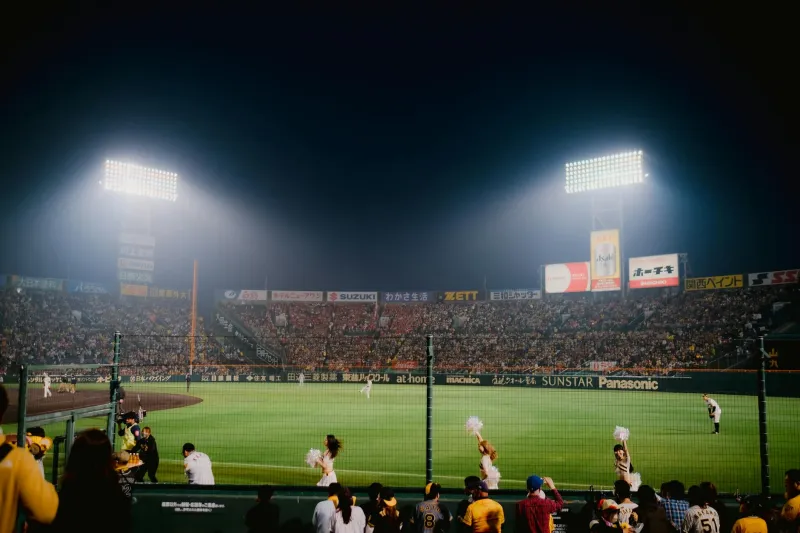
The contrast with today's stadium crowds — a sea of team jerseys, athletic shorts, and flip-flops — reveals one of the most dramatic cultural shifts in American life. Somewhere between 1960 and 2020, we collectively decided that comfort trumped formality in nearly every public space.
When Getting Dressed Was Getting Ready
The mid-century approach to public appearance wasn't about vanity or pretension — it was about respect. Getting dressed to go out was an acknowledgment that you were entering shared community space where others deserved your best effort at presentation.
This philosophy extended far beyond baseball stadiums. Airline passengers in the 1960s dressed as if they were attending business meetings. Restaurant diners wore their finest clothes regardless of the establishment's price point. Even grocery shopping required what families called "town clothes" — a step above everyday wear but below Sunday best.
The ritual of getting dressed served multiple functions. It created a psychological transition from private to public life. It demonstrated respect for the people you'd encounter. Most importantly, it reinforced the idea that participating in community life required effort and intention.
The Great Dress Down
The transformation didn't happen overnight. The 1960s counterculture began questioning formal dress codes as symbols of conformity and social control. The 1970s brought casual Fridays to corporate America. The 1980s saw the rise of athletic wear as acceptable street clothes. By the 1990s, the line between gym clothes and regular clothes had largely disappeared.
Each step felt like liberation from stuffy social conventions. Who decided that men needed to wear ties to feel comfortable? Why should women teeter on heels to buy groceries? The dress-down movement promised authenticity over artifice, comfort over constraint.
But something unexpected happened during this great casualization: the collapse of dress codes coincided with the erosion of other social norms around shared public behavior. As we stopped dressing up for each other, we also stopped holding doors, saying please and thank you, or treating public spaces as worthy of our best behavior.
The Psychology of Presentation
Research suggests that how we dress affects not just how others perceive us, but how we perceive ourselves. The phenomenon, called "enclothed cognition," shows that formal dress actually changes behavior — making people more careful, more respectful, and more aware of social context.
When your grandfather put on his good shirt to attend a baseball game, he wasn't just following social convention — he was psychologically preparing to be part of something larger than himself. The act of dressing up created mental space between private casual self and public community member.
Today's athleisure culture, while undeniably more comfortable, may have eliminated this crucial psychological transition. When we dress the same for the gym, the grocery store, and the theater, we lose the mental cues that different spaces deserve different versions of ourselves.
What Died with the Dress Code
The collapse of American dress standards coincided with broader changes in how we think about community, hierarchy, and mutual obligation. The era that required suits at baseball games also maintained stronger social bonds, higher civic participation, and more robust community institutions.
This isn't necessarily causal — many factors contributed to America's social fragmentation. But the way we dress reflects deeper attitudes about our obligations to each other. When everyone dressed up to go out, it signaled that public life mattered enough to warrant effort.
Modern casual dress codes, while more inclusive and comfortable, may inadvertently communicate that public spaces don't require our best selves. The message becomes: "I'll show up, but I won't necessarily show up prepared."
The Comfort Trap
Today's fashion landscape prioritizes comfort above all else. Athleisure brands have convinced us that the highest virtue of clothing is its ability to move seamlessly from yoga class to office to dinner date. We've optimized for physical comfort while potentially sacrificing psychological and social benefits of intentional dressing.
The average American now owns more clothes than ever before but spends less time thinking about what to wear. Fast fashion has made clothing disposable while making the act of getting dressed feel less significant. When everything costs $15 and lasts six months, clothing loses its power to mark important occasions or signal respect.
Beyond Nostalgia
This isn't an argument for returning to the rigid dress codes of the 1950s — that era's standards excluded many people and reinforced problematic social hierarchies. Women shouldn't need to wear heels to be taken seriously. Men shouldn't require ties to demonstrate competence.
But there's something valuable in the underlying principle: the idea that shared public life deserves our thoughtful participation. Getting dressed used to be a form of civic engagement — a way of showing up prepared to be part of something bigger than individual comfort.
The New Formality
Interestingly, younger generations are beginning to rediscover the power of intentional dressing. Gen Z fashion trends often involve more formal elements — blazers, dress pants, and structured pieces — worn in casual contexts. This suggests a hunger for the psychological benefits of dressing up without the rigid constraints of traditional dress codes.
Some restaurants and venues are also quietly reinstating dress standards, not as exclusionary measures but as ways to create special atmospheres that justify their elevated prices and experiences.
What We Might Recover
The question isn't whether we should return to the era when baseball required business attire — we can't and probably shouldn't. But we might ask what we've lost in the complete casualization of American public life.
Perhaps it's the sense of occasion that comes from marking different activities with different presentations. Maybe it's the psychological preparation that happens when we consciously choose how to present ourselves to the world. Or possibly it's the simple courtesy of showing others that we consider their presence worth our effort.
The man in the 1955 photograph, wearing his pressed shirt and tie to watch the Yankees, wasn't performing for the camera. He was performing for his community — demonstrating through his appearance that he understood himself to be part of something that mattered.
In our rush toward comfort and authenticity, we may have accidentally abandoned some of the rituals that helped us show up as our best selves. The question now is whether we can recover the benefits of intentional presentation without returning to the exclusions and constraints of the past.
After all, getting dressed for each other might be one of the smallest but most meaningful ways we demonstrate that we're all in this together.