The Corner Hardware Man Could Fix Anything With a Glance — Before Big Box Stores Made You Your Own Handyman
When Problems Had Names and Solutions Had Faces
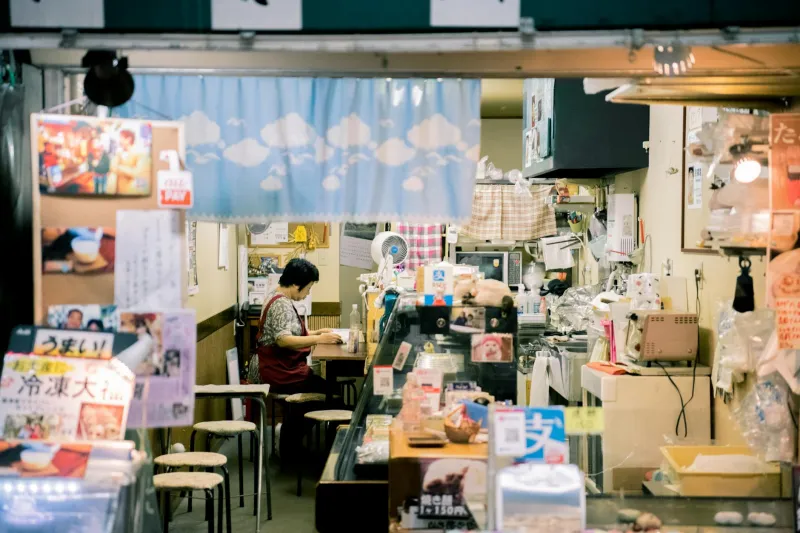
Walk into Kowalski's Hardware on Elm Street circa 1975, and you'd be greeted by Stan himself—sleeves rolled up, pencil behind his ear, ready to solve whatever domestic disaster brought you through his door. You didn't need to know what a "3/8-inch compression fitting" was called. You just described the drip under your kitchen sink, and Stan would disappear into the maze of wooden drawers behind the counter, emerging thirty seconds later with the exact part you needed.
"Try this," he'd say, explaining exactly how to install it while wrapping it in brown paper. "If it doesn't work, bring it back."
That world feels like ancient history now. Today, we navigate warehouse-sized stores with shopping carts, armed with smartphone photos of our broken fixtures, hoping to decode the difference between a washer and a gasket while fluorescent lights hum overhead.
The Encyclopedia Behind the Counter
The old-school hardware store owner was part detective, part teacher, part neighborhood therapist. These weren't just retail clerks—they were craftsmen who understood how things worked. Many had backgrounds in plumbing, electrical work, or carpentry before opening their shops. They'd apprenticed under their fathers or learned their trade in post-war America when fixing things was cheaper than replacing them.
Stan could diagnose your toilet's mysterious running sound over the phone. Mrs. Peterson at Peterson's Paint & Hardware knew which primer would stick to your 1950s kitchen cabinets. They carried institutional knowledge passed down through decades of solving the same problems for the same neighborhoods.
The physical store reflected this expertise. Instead of endless identical aisles, you'd find cubbyholes filled with specialized screws, bins of washers sorted by size, and walls of tools that actually got used. Everything had a purpose, and someone knew exactly what that purpose was.
When Shopping Became Hunting
Enter Home Depot in 1978, and everything changed. The big-box revolution promised selection, convenience, and lower prices. And delivered—sort of. Today's home improvement stores stock over 35,000 different products across football field-sized spaces. You can buy everything from a single screw to an entire kitchen.
But that abundance comes with a price: you're on your own. The average Home Depot associate handles dozens of departments and hundreds of thousands of products. They're helpful, but they can't possibly possess the deep, specialized knowledge that Stan accumulated over thirty years of fixing the same neighborhood's problems.
So we've become our own hardware experts by necessity. We photograph broken parts, research solutions online, and watch YouTube tutorials in store aisles. We've traded Stan's instant diagnosis for the modern ritual of wandering fluorescent-lit canyons with our phones out, trying to match a grainy video to the wall of options in aisle 23.
The Great Knowledge Transfer
This shift represents more than just retail evolution—it's a fundamental change in how expertise gets shared. The neighborhood hardware store was a knowledge hub where information flowed both ways. Customers brought problems, owners provided solutions, and both learned something in the process.
Today, that knowledge lives in our pockets. YouTube has become our Stan, with millions of videos explaining how to fix everything from squeaky hinges to complex electrical issues. Google can identify that mysterious widget faster than any human. The information is more comprehensive and available 24/7.
But something got lost in translation. Stan didn't just know what part you needed—he knew your house, your skill level, and your budget. He'd steer you away from the expensive solution if a fifty-cent washer would do the job. He'd warn you about the tricky step that trips up beginners. He was invested in your success because you'd be back next week with another problem.
What We Gained and Lost
The modern system works, mostly. We have access to more products, better prices, and detailed information about everything we buy. Weekend warriors can tackle projects that would have required professional help in Stan's day. The democratization of home improvement knowledge has turned millions of Americans into capable DIY enthusiasts.
But we've also lost something harder to quantify: the confidence that comes from trusted expertise. Stan's recommendations carried weight because they were backed by experience and relationship. Today's online reviews and product descriptions provide data, but not wisdom.
We've gained efficiency and lost intimacy. We've traded the personal touch for endless selection. And somewhere in those fluorescent aisles, between the self-checkout stations and the mobile apps that locate products for us, we might wonder if we're actually better equipped to fix our homes—or just better equipped to shop for the tools to fix them ourselves.
The Last Hardware Men
A few neighborhood hardware stores survive, tucked into small towns and city corners where rent hasn't priced them out. Visit one, and you'll remember what we lost. The owner still knows your name, still diagnoses problems with a glance, still wraps your purchase in paper and sends you home with confidence.
These holdouts remind us that some things can't be scaled, digitized, or optimized. Sometimes the best technology is just a knowledgeable human being who cares whether your faucet stops dripping.