The Cardboard Lottery That Built Summer Dreams — Before Wall Street Discovered Your Childhood
The Magic of the Corner Store Pack
Every Saturday morning in 1987, Tommy Rodriguez would clutch his allowance quarters and race to Morelli's Corner Store. Behind the scratched glass counter, rows of wax packs promised adventure. Topps, Donruss, Fleer — each brand carried its own mystique, its own possibility of treasure. For 45 cents, you bought five cards and a rectangle of pink bubble gum that tasted like sweetened cardboard and pure anticipation.
The ritual was sacred. You'd carefully peel back the wax wrapper, inhaling that distinctive scent that every collector from the era remembers — part printing ink, part sugar, part dreams. Sometimes you'd get Cal Ripken Jr. Sometimes you'd get some pitcher from Kansas City you'd never heard of. Either way, that moment of revelation, that split second before you knew what you'd pulled, contained more genuine excitement than most adults experience in a month.
When Cards Lived in Shoeboxes
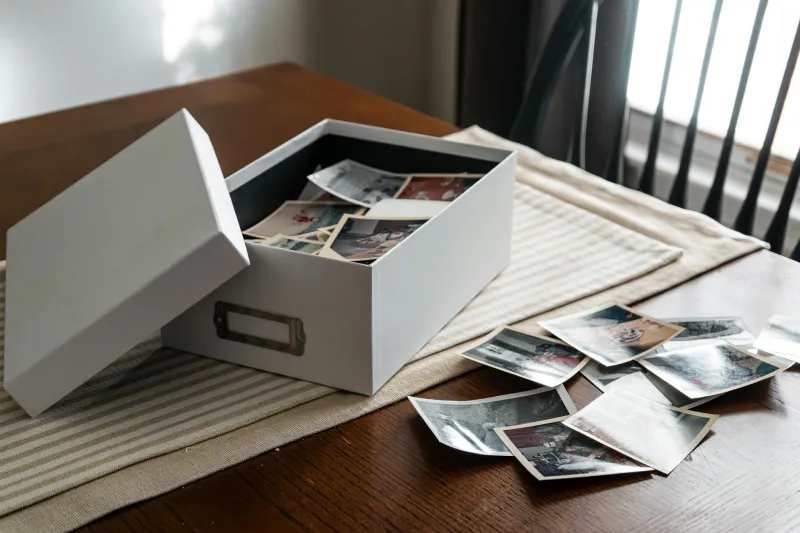
Back then, your collection lived in Nike shoeboxes under your bed. Cards were organized by team, by year, sometimes by how cool the player looked. You'd trade duplicates with neighborhood kids on front stoops, negotiating deals that seemed as important as international diplomacy. "I'll give you two Mets for one Yankee" carried the weight of constitutional law.
Fathers and sons bonded over these cardboard rectangles. Dad would flip through your collection, sharing stories about players he'd watched as a kid. "I saw Hank Aaron play at County Stadium," he'd say, holding your Aaron card like a religious artifact. The cards weren't just collectibles — they were conversation starters, history lessons, and bridges between generations.
Most cards ended up with soft corners and slight creases. They lived in your back pocket, got traded at school, survived countless shuffling sessions. They were meant to be handled, examined, loved into imperfection. The idea that a card's value depended on never being touched would have seemed absurd.
The Algorithm Takes Over
Today, opening a pack of cards feels like playing the stock market. Modern collectors don't even touch the cards — they ship unopened boxes directly to Professional Sports Authenticator (PSA) for grading. A mint condition card gets sealed in plastic with a numerical score that determines its market value down to the dollar.
The romance of discovery has been replaced by probability calculations. Online forums dissect "hit rates" and "expected value per box" like they're analyzing quarterly earnings reports. Kids don't trade cards on stoops anymore — they watch YouTube "breakers" open cases live, selling individual cards to viewers who bid in real-time chat.
A single 2018 Shohei Ohtani rookie card recently sold for $100,000. That's not a typo. One piece of cardboard, graded perfect by strangers in lab coats, commanded more money than most people's annual salary. The buyer? An anonymous investor who probably never watched Ohtani play, never felt the joy of pulling an unexpected rookie card from a pack bought with lawn-mowing money.
When Wonder Became a Commodity
The transformation didn't happen overnight. It started innocently enough in the 1990s when adults began recognizing that their childhood cards had value. Shows like "Antiques Roadshow" featured collectors discovering their Mickey Mantle rookie was worth thousands. Suddenly, everyone was digging through their parents' attics.
But something shifted when the internet arrived. Price guides went digital. eBay created a global marketplace. What once required driving to card shows and building relationships with local dealers could now be accomplished with a few clicks. The personal connection — knowing the guy behind the counter, hearing stories about where cards came from — evaporated into algorithms and automated bidding.
Today's card market operates like cryptocurrency. Values fluctuate based on player performance, social media buzz, and investment fund activity. Yes, actual hedge funds now buy sports cards as alternative assets. The same financial instruments that trade oil futures are packaging vintage card portfolios.
The Cost of Perfection
Modern card collecting has achieved something that would have amazed 1980s kids: perfect preservation and instant global access to any card ever made. You can buy a 1952 Topps Mickey Mantle from your phone and have it authenticated, graded, and delivered in protective packaging.
But we've lost something irreplaceable in the process. The surprise is gone — every card's print run and rarity is known before release. The community is gone — transactions happen between usernames, not neighbors. The innocence is gone — eight-year-olds now ask about "investment potential" instead of batting averages.
The Shoebox Under the Bed
Somewhere in America, there's still a shoebox under a bed, filled with slightly bent 1980s baseball cards that smell faintly of bubble gum. Those cards aren't worth much by today's standards — they're not graded, not sealed, not perfect. But they're worth something the modern market can't quantify: they're worth the memory of summer afternoons, allowance money well spent, and the pure joy of not knowing what you might find when you tore open that next pack.
The cards are still there. The corner stores mostly aren't. And the magic? Well, that got graded, sealed, and sold to the highest bidder.